Pediatric Clinical Trials are specialized research studies designed to evaluate the safety, efficacy, dosing, and pharmacokinetics of medical interventions (drugs, devices, vaccines, or therapies) specifically in children, from newborns to adolescents (typically under 18 years). Children are not “small adults”—their bodies metabolize drugs differently due to ongoing growth and development, making dedicated trials essential to avoid off-label use and ensure age-appropriate treatments.
Despite progress, pediatric trials represent only about 6–17% of registered global trials, highlighting ongoing gaps in evidence-based pediatric medicine. The market for pediatric clinical trials is growing rapidly, valued at approximately USD 20 billion in 2025 and projected to reach USD 26–33 billion by 2030–2033 with a CAGR of 5–9.8%.

History and Regulatory Evolution
Historically, children were excluded from trials due to ethical concerns, leading to widespread off-label prescribing. Key milestones:
- US: The Pediatric Labeling Rule (1994) began requiring pediatric data. The Best Pharmaceuticals for Children Act (BPCA, 2002) offered incentives (e.g., patent extensions), while the Pediatric Research Equity Act (PREA, 2003) mandated pediatric studies for certain drugs.
- EU: The Paediatric Regulation (2007) requires Pediatric Investigation Plans (PIPs) for new drugs, with rewards and penalties.
- Global harmonization: FDA-EMA Pediatric Cluster meetings (since 2007) align requirements to avoid duplicative trials.
These laws have increased pediatric labeling and trials, but challenges persist.
Importance and Process
Pediatric Trials Fill Critical Gaps: Many drugs lack child-specific data, leading to dosing errors or inefficacy. The process involves:
- Preclinical studies.
- Pediatric-specific planning (e.g., extrapolation from adults).
- Phases I–IV with age-appropriate endpoints.
- Ethical review emphasizing minimal risk and direct benefit.
Trials often use child-friendly settings to reduce anxiety.
Ethical Considerations
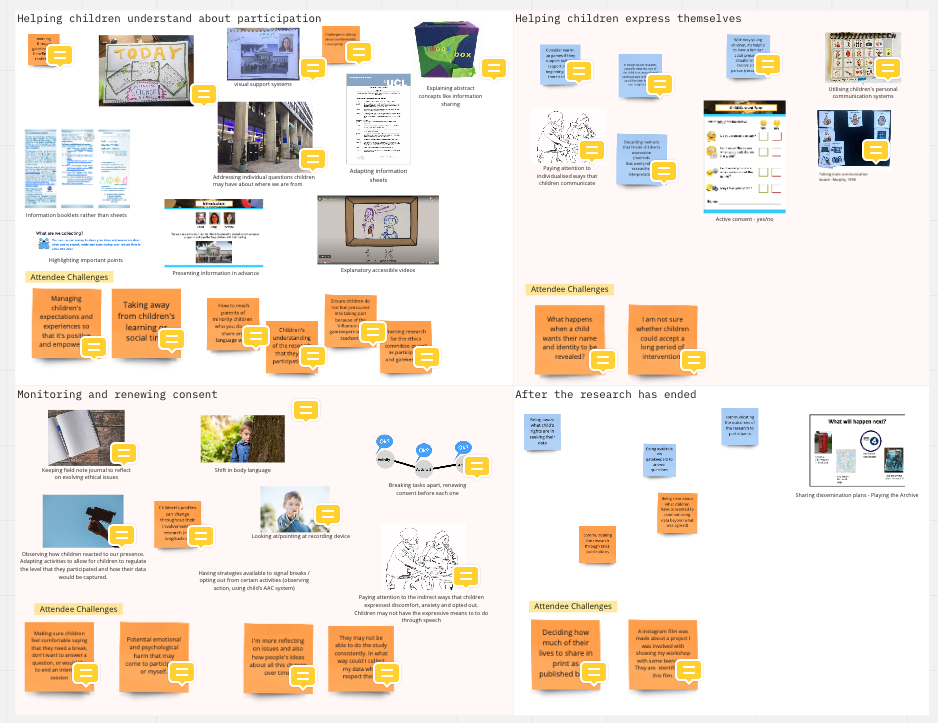
Core principles (beneficence, justice, respect) require parental consent and child assent (age-appropriate). Trials must offer prospect of direct benefit or minimal risk. Challenges include vulnerability, informed decision-making, and balancing protection with access to innovations.
Challenges
- Recruitment/Retention: Small patient pools, parental hesitation, logistical burdens.
- Design: Age variability, placebo ethics, sample size issues.
- Incompletion/Non-Publication: High rates due to funding, logistics.
- Cost and Infrastructure: Expensive, limited pediatric expertise.
Current Trends (2025)
- Focus on rare diseases, oncology, and gene therapies.
- Digital tools, adaptive designs, and decentralized trials.
- Increased global collaboration and emphasis on diversity/inclusion.
- Growth in Asia-Pacific; regulatory pushes for faster approvals.
In conclusion, pediatric clinical trials are vital for safe, effective child healthcare but face unique hurdles. Ongoing regulatory support and innovations promise improved outcomes. Parents considering participation should discuss with pediatricians and review risks/benefits thoroughly.
More articles by ZMR Researche:
https://www.zionmarketresearch.com/de/report/automotive-brake-disc-market
https://www.zionmarketresearch.com/de/report/track-dumper-market
https://www.zionmarketresearch.com/de/report/avalanche-airbags-market
https://www.zionmarketresearch.com/de/report/vr-fitness-game-market