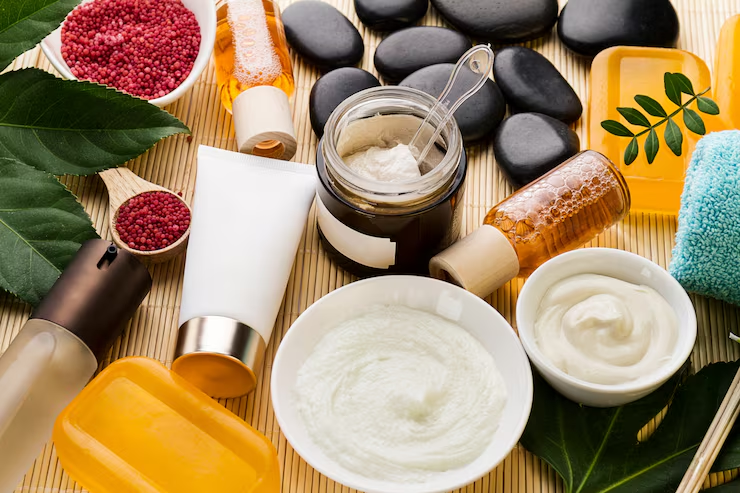
Cosmeceuticals are hybrid products that blend cosmetics and pharmaceuticals, offering skincare benefits beyond basic moisturization or decoration by incorporating active ingredients capable of influencing skin structure and function. The term “cosmeceutical” was coined by dermatologist Albert Kligman in the 1980s to describe topical formulations with drug-like effects, though it remains a marketing rather than regulatory category in most jurisdictions.
These products target concerns like aging (wrinkles, loss of elasticity), hyperpigmentation, acne, dryness, and sensitivity, claiming to penetrate deeper skin layers and deliver measurable physiological improvements. Unlike drugs, cosmeceuticals do not require pre-market approval for efficacy claims in many countries, but they must meet safety standards as cosmetics. The global cosmeceuticals market is valued at approximately USD 60-80 billion as of 2025, with strong growth driven by aging populations, rising disposable incomes, social media influence, and demand for science-backed skincare in Asia-Pacific, North America, and Europe.
Key Characteristics and Distinctions
Cosmeceuticals differ from traditional cosmetics and pharmaceuticals:
- Cosmetics: Primarily alter appearance (makeup, moisturizers); no therapeutic claims.
- Cosmeceuticals: Contain bioactive ingredients at concentrations intended to affect skin biology (e.g., collagen production, cell turnover).
- Pharmaceuticals: Prescription drugs with proven efficacy for treating diseases (e.g., tretinoin for acne).
Regulatory nuance:
- FDA (U.S.): Treats as cosmetics unless disease claims trigger drug classification.
- EU: Similar, with strict claims substantiation.
- Japan/South Korea: Quasi-drug category allows mild therapeutic claims.
Evidence requirements vary; premium brands invest in clinical studies for credibility.
Common Active Ingredients
Cosmeceuticals feature evidence-supported actives:
- Retinoids Vitamin A derivatives (retinol, retinaldehyde, adapalene OTC); increase cell turnover, boost collagen, reduce wrinkles/acne. Gold standard for anti-aging.
- Vitamin C (Ascorbic Acid) Antioxidant; brightens, evens tone, stimulates collagen. L-ascorbic acid most effective but unstable; derivatives (ascorbyl glucoside, tetrahexyldecyl ascorbate) improve stability.
- Alpha Hydroxy Acids (AHAs) Glycolic, lactic acid; exfoliate, improve texture, hydration.
- Beta Hydroxy Acid (BHA) Salicylic acid; oil-soluble, ideal for acne-prone skin.
- Peptides Signal peptides (e.g., Matrixyl), copper peptides; promote collagen/elastin.
- Niacinamide (Vitamin B3) Multifunctional: Barrier repair, sebum regulation, anti-inflammatory, pigmentation reduction.
- Hyaluronic Acid Humectant; multiple molecular weights for surface/deep hydration.
- Antioxidants Vitamin E, ferulic acid, resveratrol, green tea polyphenols; combat free radicals.
- Growth Factors and Stem Cell Extracts Stimulate repair (controversial efficacy evidence).
- Sunscreen Actives Mineral (zinc oxide, titanium dioxide) or chemical filters; preventive anti-aging.
Emerging: Bakuchiol (retinol alternative), ceramides, probiotics, cannabinoids (CBD).
Formulation and Delivery Challenges
Actives must penetrate stratum corneum:
- Liposomal/nanoparticle encapsulation.
- pH optimization (e.g., vitamin C at 3.5).
- Penetration enhancers (propylene glycol).
- Stability measures (airless packaging, chelators).
Formulations: Serums (high active concentration), creams, gels, masks.
Applications and Targeted Concerns
- Anti-Aging: Retinoids, peptides, antioxidants for wrinkles, firmness.
- Hyperpigmentation: Hydroquinone (prescription), niacinamide, vitamin C, kojic acid.
- Acne: Salicylic acid, benzoyl peroxide (OTC), retinoids.
- Sensitivity/Barrier Repair: Ceramides, niacinamide, centella asiatica.
- Hydration: Hyaluronic acid, glycerin, occlusives.
Men’s grooming and teen skincare segments expand rapidly.
Evidence and Efficacy
Clinical support varies:
- Strong: Retinoids, vitamin C, niacinamide, AHAs/BHAs.
- Moderate: Peptides, many antioxidants.
- Limited: Growth factors, some botanicals.
Double-blind studies show 20-50% wrinkle reduction with consistent retinoid use; niacinamide reduces pores/pigmentation significantly.
Safety and Side Effects
- Irritation (“retinoid uglies”), dryness, photosensitivity.
- Allergic reactions (fragrance, preservatives).
- Overuse risks barrier damage.
Patch testing and gradual introduction recommended. Sunscreen essential with exfoliants/retinoids.
Market Trends
- Clean/clinical hybrid brands (The Ordinary, Drunk Elephant).
- Personalization (custom serums via AI skin analysis).
- Sustainability (refillable packaging, biotech ingredients).
- K-Beauty/J-Beauty influence (multi-step routines).
- Men’s cosmeceuticals growth.
Premium pricing reflects R&D; dermatologist-backed lines gain trust.
Regulatory Considerations
Claims must avoid disease treatment (e.g., “reduces appearance of wrinkles” vs. “treats wrinkles”). Misbranding risks FDA/FTC action. EU bans certain ingredients (e.g., high hydroquinone).
Conclusion
Cosmeceuticals bridge beauty and science, offering evidence-based solutions for skin health and aesthetics. Backed by decades of dermatological research, key actives like retinoids and antioxidants deliver measurable improvements when used consistently. As formulations advance and consumer education grows, cosmeceuticals continue redefining skincare, emphasizing prevention, repair, and personalized efficacy in an increasingly sophisticated market.
More articles by ZMR Researche:
https://www.zionmarketresearch.com/de/report/epoxy-composite-market
https://www.zionmarketresearch.com/de/report/packaged-food-essence-ingredient-market
https://www.zionmarketresearch.com/de/report/fashion-event-market
https://www.zionmarketresearch.com/de/report/secondary-macronutrients-market
https://www.zionmarketresearch.com/de/report/refurbished-smart-watches-market