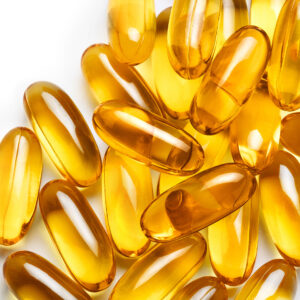
Liposomal supplements are advanced nutritional products that encapsulate active ingredients—vitamins, minerals, antioxidants, herbs, or pharmaceuticals—within liposomes, tiny phospholipid vesicles that mimic cell membranes. This delivery system enhances bioavailability, protects compounds from digestive degradation, and facilitates targeted cellular uptake, allowing lower doses to achieve higher efficacy compared to traditional tablets, capsules, or powders.
The concept of liposomes originated in the 1960s with Alec Bangham’s discovery of phospholipid self-assembly into bilayer spheres. Pharmaceutical applications emerged in the 1970s-1980s (e.g., liposomal doxorubicin, Doxil, approved 1995), but nutritional liposomal supplements gained popularity in the 2010s with brands like LivOn Labs (Lypo-Spheric vitamin C, 2004) and Quicksilver Scientific. As of 2025, the Global Liposomal Supplement Market is valued at approximately USD 1-2 billion, growing at 10-15% CAGR driven by demand for high-absorption nutrients, especially vitamin C, glutathione, curcumin, and CoQ10. Consumers seek solutions for immune support, detoxification, anti-aging, and chronic conditions where standard supplements underperform.
Liposomal technology bridges pharmaceutical precision with nutritional accessibility, though evidence varies by compound and quality.
Structure and Composition of Liposomes
Liposomes are spherical vesicles composed of:
- Phospholipids: Primarily phosphatidylcholine (PC) from soy or sunflower lecithin; forms bilayer.
- Cholesterol: Stabilizes membrane (optional in nutritional formulas).
- Active Ingredient: Encapsulated in aqueous core (hydrophilic) or bilayer (lipophilic).
- Size: 50-500 nm (small unilamellar vesicles preferred for absorption).
Types:
- Multilamellar: Multiple layers; larger.
- Unilamellar: Single layer; better penetration.
Nutritional liposomes often use sunflower lecithin (non-GMO, allergen-free) and avoid solvents.
Production Methods
Commercial liposomal supplements employ:
- Thin-Film Hydration: Phospholipids dissolved in organic solvent, evaporated to film, hydrated with aqueous active.
- Extrusion: High-pressure homogenization for uniform size.
- Microfluidics: Precise, scalable nano-liposome formation.
- Proliposome: Dry powder converts to liposomes upon hydration (convenient for shipping).
Quality markers:
- High encapsulation efficiency (>90%).
- Narrow particle size distribution.
- Stability (no leakage over shelf life).
Home methods (ultrasonic cleaners + lecithin) yield inconsistent results.
Mechanism of Enhanced Bioavailability
Liposomes improve absorption via:
- Protection: Shield actives from stomach acid/enzymes.
- Membrane Fusion: Phospholipid similarity allows fusion with intestinal cells.
- Lymphatic Uptake: Bypass liver first-pass (enter lymphatic system).
- Cellular Delivery: Direct cytoplasmic release.
Studies:
- Liposomal vitamin C: 1.5-5x higher plasma levels vs. standard.
- Liposomal glutathione: Detectable increases vs. undetectable oral.
- Liposomal curcumin: 100-200x bioavailability boost.
Onset: Faster than tablets; sustained release possible.
Popular Liposomal Supplements
- Vitamin C Flagship; immune support, collagen synthesis. 1,000 mg liposomal ≈ 3,000-5,000 mg standard.
- Glutathione Master antioxidant; detoxification, skin brightening.
- Curcumin Anti-inflammatory; joint, brain health.
- CoQ10 Energy, heart support.
- Vitamin D/K Fat-soluble; improved absorption.
- B-Complex Energy, methylation.
- NMN/NAD+ Precursors Anti-aging.
- Magnesium Relaxation, muscle recovery.
Multi-nutrient blends emerging.
Benefits and Evidence
Reported advantages:
- Higher effective dose at lower intake.
- Reduced GI upset (buffered delivery).
- Targeted cellular uptake.
- Better for impaired digestion (elderly, IBD).
Evidence:
- Strong: Vitamin C (immune, collagen studies).
- Moderate: Glutathione (oxidative stress markers), curcumin (inflammation).
- Emerging: NAD+ precursors, B-vitamins.
Limitations: Not all compounds benefit equally; cost 3-10x higher.
Safety and Side Effects
Generally safe:
- Phospholipids GRAS.
- Mild GI symptoms possible.
- Allergic reactions rare (soy lecithin).
Caution:
- High-dose vitamin C: Oxalate risk.
- Drug interactions minimal.
Choose third-party tested (NSF, USP).
Market Trends
- Clean label (sunflower lecithin).
- Nano-liposomal (smaller particles).
- Flavored liquids.
- Subscription models.
- Combo with micelles.
North America leads; Asia-Pacific fastest growth.
Choosing Liposomal Supplements
- True liposomes (not “liposomal-like” emulsions).
- High encapsulation (>90%).
- Independent testing.
- Refrigeration if needed (stability).
Cost: USD 0.50-2 per serving.
Conclusion
Liposomal supplements represent a significant advancement in nutrient delivery, overcoming absorption barriers for key compounds like vitamin C, glutathione, and curcumin. While premium-priced, their enhanced bioavailability offers meaningful benefits for immune, detoxification, and anti-inflammatory support. Evidence continues growing, particularly for immune and antioxidant applications. Quality sourcing—verified encapsulation and purity—ensures efficacy. As formulation science refines, liposomal technology bridges nutrition and pharmaceutical precision for optimal wellness outcomes.
More articles by ZMR Researche:
https://www.zionmarketresearch.com/de/report/water-filtration-systems-market
https://www.zionmarketresearch.com/de/report/bourbon-spirits-market
https://www.zionmarketresearch.com/de/report/logistics-picking-robots-market
https://www.zionmarketresearch.com/de/report/logistics-picking-robots-market
https://www.zionmarketresearch.com/de/report/smart-virtual-personal-assistants-market-size