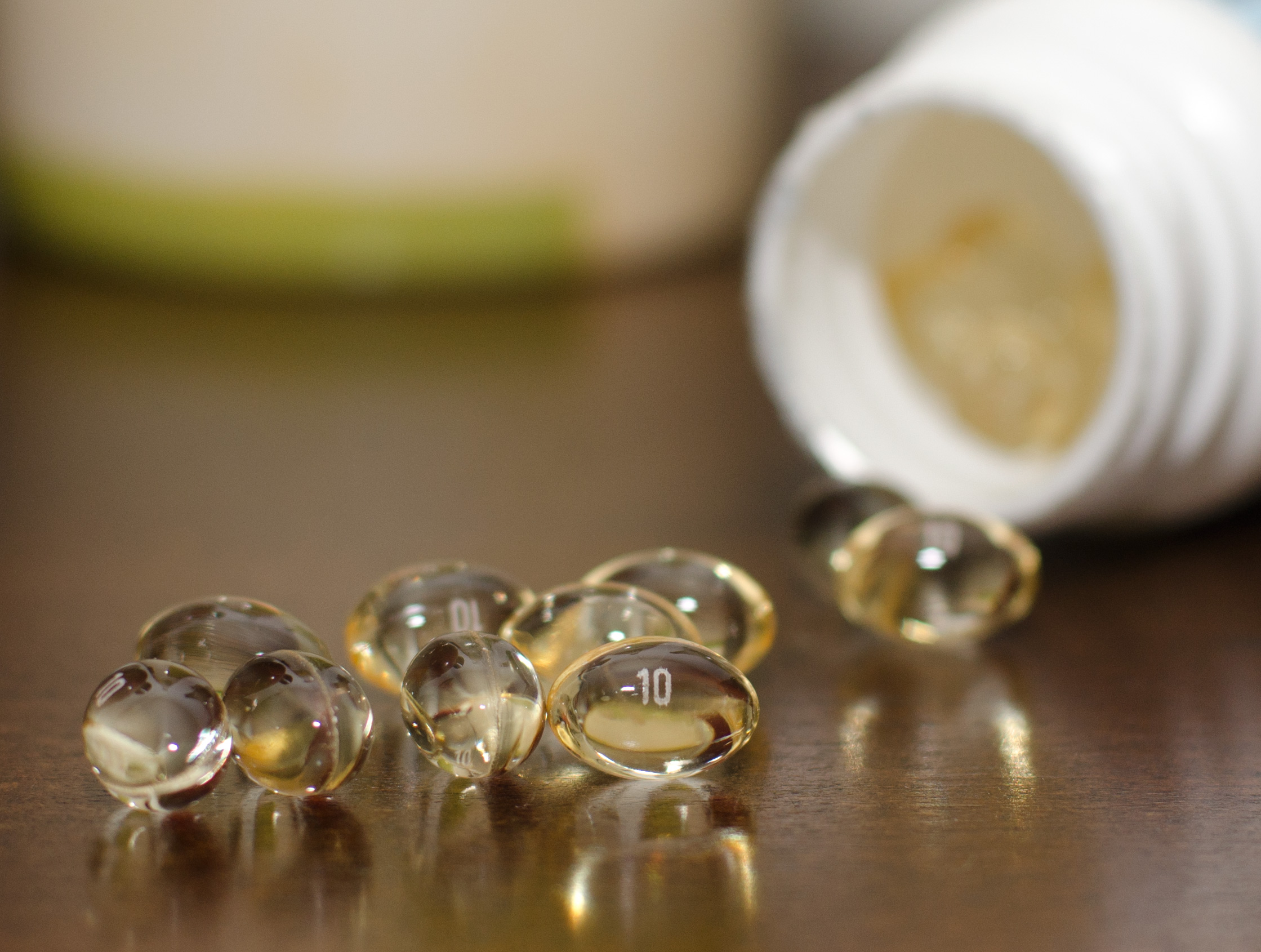
Soft gelatin capsules, commonly known as softgels, are a popular pharmaceutical and nutraceutical dosage form consisting of a single-piece, hermetically sealed gelatin shell encapsulating a liquid, semi-solid, or paste fill. The shell is flexible and elastic, providing a smooth, easy-to-swallow delivery system that masks unpleasant tastes/odors and protects sensitive actives from oxygen, light, and moisture.
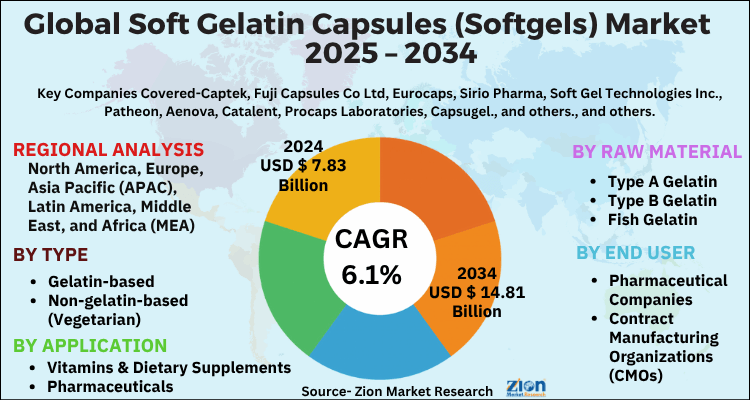
Invented in the 1830s by French pharmacist Mothes (patent for “gelatin pearls”), softgels gained commercial viability in the 1930s-1940s with rotary die encapsulation machines by R.P. Scherer. Today, softgels represent ~30-40% of oral dosage forms in supplements and ~10-15% in pharmaceuticals. As of 2025, the Global Softgel Capsule Market is valued at approximately USD 8-10 billion, growing at 6-8% CAGR driven by nutraceuticals (omega-3, CBD, vitamins), consumer preference for easy-swallow formats, and advancements in vegetarian/vegan shells. Major manufacturers include Catalent, Lonza (Capsugel), Aenova, Procaps, and Sirio Pharma.
Soft gels combine pharmaceutical elegance with functional delivery, ideal for oils, suspensions, and bioavailability-enhanced actives.
Structure and Composition
A softgel comprises two main parts:
- Shell
- Gelatin (traditional): Animal-derived (bovine/porcine); plasticized with glycerin/sorbitol.
- Vegetarian Alternatives: Starch (HPMC), carrageenan, modified pea starch.
- Additives: Water (~30-40% wet), opacifiers (titanium dioxide), colors, preservatives.
- Thickness: 0.5-1.0 mm.
- Fill
- Liquids: Oils, solutions, suspensions.
- Semi-Solids: Pastes, PEG melts.
- Actives: Lipophilic drugs/supplements (vitamin D/E, fish oil, CBD, ibuprofen).
Shapes: Oval, oblong, round, tube; sizes 1-20 minims (0.05-1.3 mL).
Seamless, one-piece construction prevents leakage.
Manufacturing Process
Softgel production uses rotary die encapsulation:
- Gelatin Preparation Gelatin melted with plasticizers/water; colored/opacified.
- Fill Preparation Active mixed with carriers (oils, PEG); deaerated.
- Encapsulation
- Two gelatin ribbons cast on chilled drums.
- Ribbons fed into rotary dies.
- Fill injected between ribbons; dies cut/seal capsules.
- Drying Tumble-dried (24-72 hours) to 8-12% moisture.
- Finishing Inspection, printing, packaging.
Vegetarian: Similar but starch-based ribbons.
Types of Softgels
- Standard Gelatin Animal-derived; cost-effective.
- Vegetarian/Vegan HPMC/starch; growing demand.
- Enteric-Coated Acid-resistant polymers for intestinal release.
- Chewable/Burst Flavored, soft-bite.
- Twist-Off For liquids (pediatric).
- Specialty
- Ovals for high fill volume.
- Seamless microcapsules.
Advantages
- Bioavailability: Excellent for lipophilic actives (faster absorption).
- Taste/Odor Masking: Ideal for fish oil, garlic.
- Tamper-Evident: Seamless seal.
- Patient Compliance: Easy swallow, no taste.
- Stability: Oxygen/moisture barrier.
- Aesthetics: Glossy, colored.
Disadvantages
- Moisture Sensitivity: Actives must be non-aqueous.
- Cross-Linking: Formaldehyde risk in aging.
- Cost: Higher than tablets.
- Vegetarian Limitation: Traditional gelatin animal-sourced.
- Size: Limited fill volume.
Applications
- Nutraceuticals (70-80% market)
- Omega-3 fish oil.
- Vitamins A/D/E/K.
- CBD/coenzyme Q10.
- Probiotics (enteric).
- Pharmaceuticals
- Ibuprofen (Advil Liqui-Gels).
- Cyclosporine (Neoral).
- Dutasteride, calcitriol.
- Cosmetics
- Bath pearls, serum capsules.
Market Trends
- Vegan/plant-based shells.
- Sustainable gelatin (certified sources).
- High-potency actives (nano-emulsified).
- Functional (probiotic + prebiotic).
- North America/Europe premium; Asia-Pacific volume.
Safety and Quality
- GMP manufacturing.
- Leak testing.
- Microbial limits.
- Stability studies.
Allergens: Gelatin (rare); fish oil.
Conclusion
Soft gelatin capsules remain a preferred dosage form for liquid fills, offering superior bioavailability, compliance, and protection. Advances in vegetarian shells and sustainable sourcing address ethical/environmental concerns while maintaining performance. As consumer demand for convenient, effective supplements grows, softgels continue innovating—delivering oils, actives, and flavors in elegant, functional packages. Quality manufacturing ensures reliability in this versatile delivery system.
More articles by ZMR Researche:
https://www.zionmarketresearch.com/de/report/filtered-storage-cabinets-market
https://www.zionmarketresearch.com/de/report/packaging-market
https://www.zionmarketresearch.com/de/report/respiratory-syncytial-virus-vaccine-market
https://www.zionmarketresearch.com/de/report/data-center-support-infrastructure-market
https://www.zionmarketresearch.com/de/report/retail-earplugs-market