Anti-Anxiety Drugs, also known as anxiolytics, are medications prescribed to reduce symptoms of anxiety disorders, panic attacks, and related conditions. These drugs work by modulating brain chemistry to promote calmness, reduce excessive worry, and alleviate physical symptoms like rapid heartbeat or muscle tension. Anxiety disorders affect over 280 million people globally, making anxiolytics among the most commonly prescribed psychiatric medications.
The history of anti-anxiety drugs spans from barbiturates in the early 20th century to meprobamate (1950s) and the introduction of benzodiazepines in the 1960s, which revolutionized treatment with improved safety profiles. Today, selective serotonin reuptake inhibitors (SSRIs) and serotonin-norepinephrine reuptake inhibitors (SNRIs) are first-line due to lower dependence risk. As of 2025, the global anxiolytics market exceeds USD 10-15 billion, reflecting ongoing need despite increasing emphasis on non-pharmacological therapies like cognitive behavioral therapy (CBT).

Classification of Anti-Anxiety Drugs
Anti-anxiety medications are grouped by mechanism and onset:
- Benzodiazepines Fast-acting; enhance GABA (inhibitory neurotransmitter).
- Examples: Alprazolam (Xanax), lorazepam (Ativan), diazepam (Valium), clonazepam (Klonopin).
- Uses: Acute anxiety, panic attacks, short-term insomnia.
- Onset: 30-60 minutes; duration 4-12+ hours.
- Selective Serotonin Reuptake Inhibitors (SSRIs) First-line for long-term; increase serotonin availability.
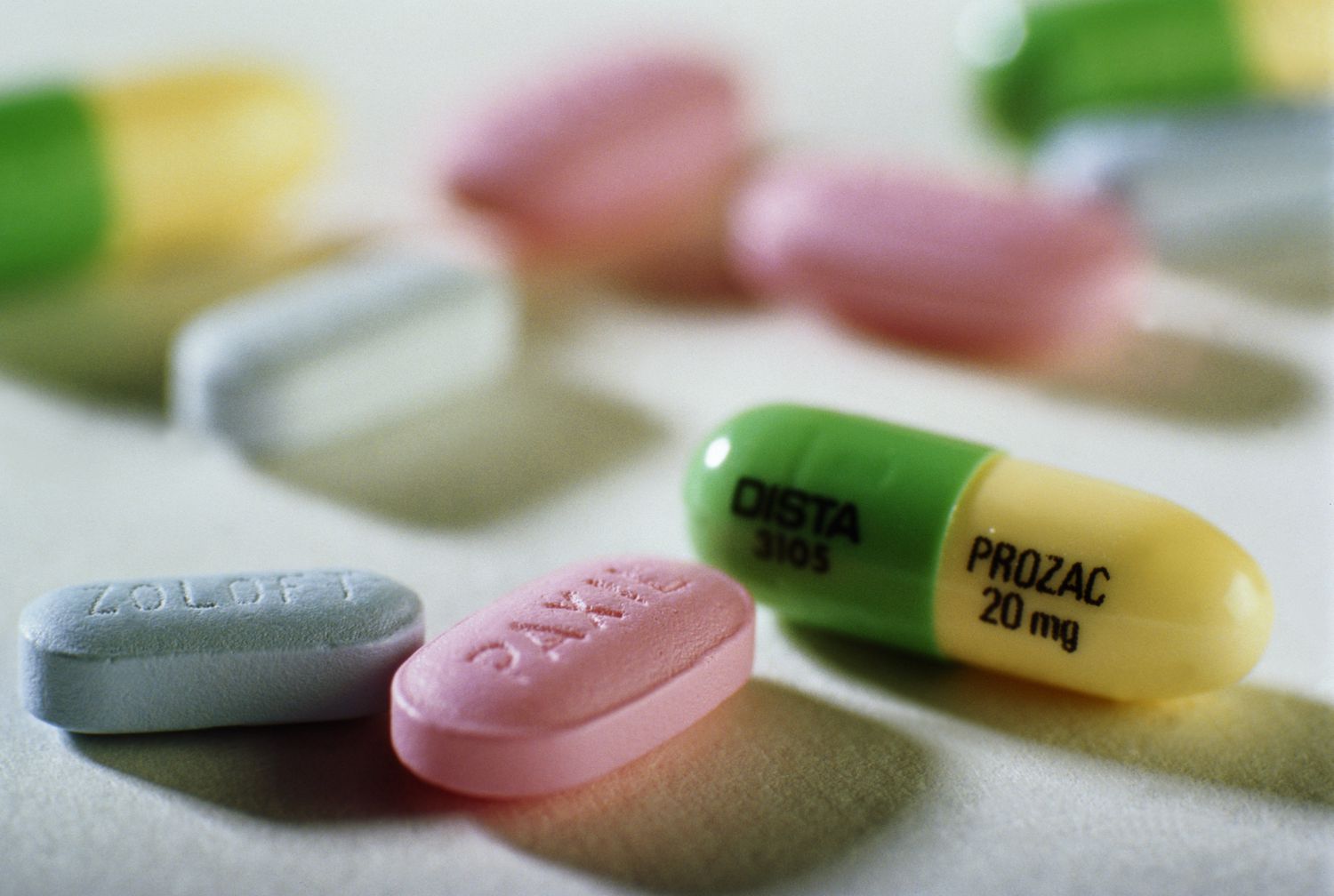
- Examples: Sertraline (Zoloft), escitalopram (Lexapro), fluoxetine (Prozac), paroxetine (Paxil).
- Onset: 4-6 weeks for full effect.
- Serotonin-Norepinephrine Reuptake Inhibitors (SNRIs) Dual serotonin/norepinephrine action.
- Examples: Venlafaxine (Effexor), duloxetine (Cymbalta).
- Buspirone Partial 5-HT1A agonist; non-sedating, no dependence.
- Slow onset (2-4 weeks); generalized anxiety disorder (GAD).
- Beta-Blockers (Off-Label) Propranolol: Blocks adrenaline for performance/situational anxiety.
- Antihistamines Hydroxyzine: Sedating; short-term use.
- Other/Emerging Pregabalin (Lyrica): GABA analog for GAD. Novel agents: Investigational 5-HT modulators, neurosteroids.
Mechanism of Action
- Benzodiazepines: Bind benzodiazepine site on GABA-A receptors, increasing chloride influx → hyperpolarization → sedation.
- SSRIs/SNRIs: Inhibit serotonin (and norepinephrine) reuptake → long-term receptor downregulation → reduced anxiety circuitry hyperactivity.
- Buspirone: Partial agonism at presynaptic 5-HT1A (reduces serotonin release) and postsynaptic (mimics serotonin).
- Beta-Blockers: Peripheral adrenaline blockade reduces physical symptoms (tremor, tachycardia).
Indications
FDA-approved:
- Generalized Anxiety Disorder (GAD).
- Panic Disorder.
- Social Anxiety Disorder.
- Acute anxiety states.
Off-label: PTSD, insomnia, muscle spasms.
Benefits
- Rapid relief (benzodiazepines).
- Long-term management without tolerance (SSRIs/SNRIs).
- Improved function, sleep, quality of life.
- Reduced comorbidity risk (depression, substance use).
Side Effects and Risks
- Benzodiazepines: Sedation, dizziness, memory impairment, dependence/withdrawal (seizures possible), tolerance.
- SSRIs/SNRIs: Initial anxiety increase, sexual dysfunction, nausea, weight gain, discontinuation syndrome.
- Buspirone: Dizziness, headache; minimal sedation.
- General: Suicide risk in young adults (black box warning SSRIs), serotonin syndrome (rare).
Long-term benzodiazepine use discouraged (>4 weeks) due to dependence.
Treatment Guidelines
- First-Line: SSRIs/SNRIs + psychotherapy (CBT preferred).
- Benzodiazepines: Short-term or adjunctive.
- Duration: 6-12 months minimum for SSRIs; taper slowly.
- Monitoring: Regular follow-up for efficacy, side effects.
APA, NICE, WHO guidelines emphasize non-drug approaches first when possible.
Special Populations
- Pregnancy: SSRIs (sertraline preferred); benzodiazepines risk neonatal withdrawal.
- Elderly: Lower doses; avoid long-acting benzodiazepines (fall risk).
- Children/Adolescents: SSRIs with caution (fluoxetine approved for OCD/anxiety).
Alternatives and Complementary Approaches
- Psychotherapy: CBT, mindfulness-based stress reduction (MBSR).
- Lifestyle: Exercise, sleep hygiene, diet.
- Supplements: Limited evidence (kava, lavender, L-theanine).
Conclusion
Anti-anxiety drugs provide effective relief for debilitating anxiety disorders, with SSRIs/SNRIs as cornerstone long-term therapy and benzodiazepines for acute needs. Judicious prescribing, patient education, and integration with psychotherapy optimize outcomes while minimizing risks. Ongoing research into novel mechanisms (e.g., glutamate modulators, neurosteroids) promises improved options with fewer side effects. Responsible use under medical supervision remains key to safe, effective management.
More articles by ZMR Researche:
https://www.zionmarketresearch.com/de/report/sustainable-catering-services-market
https://www.zionmarketresearch.com/de/report/silage-film-market
https://www.zionmarketresearch.com/de/report/cnc-machine-market
https://www.zionmarketresearch.com/de/report/pressure-transmitter-market
https://www.zionmarketresearch.com/de/report/cardiovascular-monitoring-diagnostic-devices-market