Aspirin, known chemically as acetylsalicylic acid (ASA), is one of the most widely used medications in the world. It belongs to the class of nonsteroidal anti-inflammatory drugs (NSAIDs) and is renowned for its triple action: analgesic (pain-relieving), antipyretic (fever-reducing), and anti-inflammatory properties. At low doses, it also acts as an antiplatelet agent, preventing blood clots. Aspirin is available over-the-counter in most countries and remains a cornerstone of cardiovascular prevention and acute pain management.
First synthesized in 1897 by Felix Hoffmann at Bayer, Aspirin was commercialized in 1899 as a less irritating alternative to salicylic acid (derived from willow bark, used since ancient times). It revolutionized medicine, becoming the first mass-produced synthetic drug. As of 2025, global aspirin consumption exceeds 100-120 billion tablets annually, with the market valued at USD 2-3 billion. Despite competition from newer NSAIDs and anticoagulants, aspirin’s low cost, extensive evidence base, and unique benefits ensure its enduring role. The WHO lists it as an essential medicine.
Chemical Structure and Properties
Aspirin is a salicylate ester:
- Formula: C₉H₈O₄ (acetylsalicylic acid).
- Molecular weight: 180.16 g/mol.
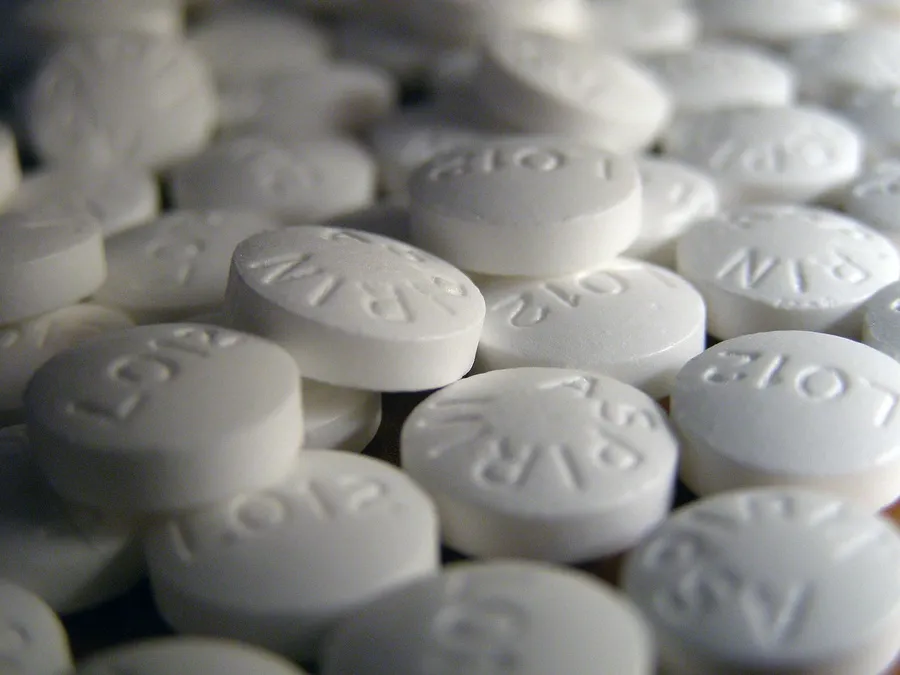
- Appearance: White crystalline powder.
- Melting point: 136°C (decomposes).
- Solubility: Poor in water; better in alcohol; enteric-coated forms improve tolerability.
Mechanism: Irreversible acetylation of cyclooxygenase-1 (COX-1) and COX-2 enzymes, inhibiting prostaglandin and thromboxane A₂ synthesis.
Pharmacokinetics
- Absorption: Rapid from stomach/small intestine; peak plasma 1-2 hours (faster with non-enteric).
- Distribution: 50-80% protein-bound.
- Metabolism: Hepatic hydrolysis to salicylic acid.
- Excretion: Renal; half-life ~15-20 minutes (aspirin), 2-3 hours (salicylate).
- Low-dose (75-100 mg): Accumulates antiplatelet effect over days.
Therapeutic Uses
- Pain and Fever Mild-moderate pain (headache, dental, musculoskeletal); fever reduction. Dose: 325-650 mg every 4-6 hours (max 4 g/day).
- Anti-Inflammatory Rheumatic fever, Kawasaki disease, arthritis (higher doses 3-6 g/day).
- Cardiovascular Prevention
- Primary: High-risk individuals (SCORE >10%).
- Secondary: Post-MI, stroke, stents (low-dose 75-162 mg daily).
- Reduces MI/stroke risk 20-30%.
- Colorectal Cancer Prevention Low-dose reduces adenoma recurrence and CRC mortality (USPSTF recommends for ages 50-59 with CV risk <10%).
- Preeclampsia Prevention Low-dose from 12 weeks in high-risk pregnancies.
Benefits and Evidence
- Cardiovascular: ASPREE, Physicians’ Health Study, ANTARCTIC—robust secondary prevention; primary nuanced (bleed vs. benefit).
- Analgesic: Superior for certain pains (migraine, dental).
- Cost-Effective: Generic, pennies per dose.
Side Effects and Risks
Common:
- GI upset, ulceration (10-20% chronic users).
- Bleeding tendency (antiplatelet).
Serious:
- GI hemorrhage (risk doubled at low-dose).
- Reye’s syndrome (children with viral illness—contraindicated <16-19 years).
- Allergic reactions (asthma exacerbation in ASA-sensitive).
- Tinnitus/overdose (salicylism).
Mitigation: Enteric-coated, PPI co-prescription for high-risk.
Contraindications
- Active peptic ulcer.
- Hemorrhagic disorders.
- Children with viral infections.
- Third trimester pregnancy (ductus arteriosus closure).
Caution: Gout (low-dose worsens), asthma, renal impairment.
Dosage Forms
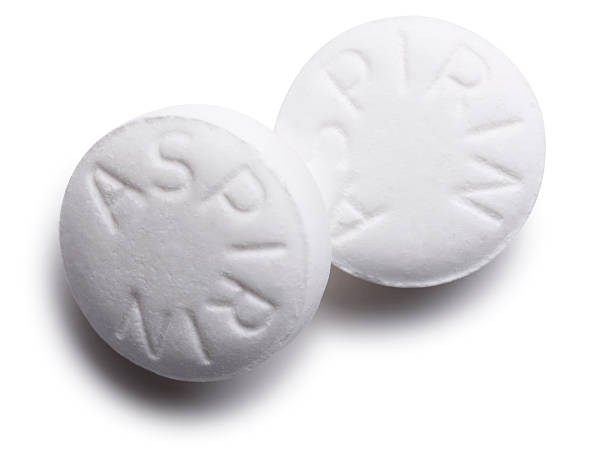
- Tablets: 81 mg (low-dose), 325 mg, 500 mg.
- Enteric-coated, chewable, buffered.
- Suppositories (pediatric).
- Combinations: With caffeine, codeine.
Market and Historical Milestones
- Bayer trademark lost post-WWI; now generic.
- 1950s: Antiplatelet discovery.
- 1980s: MI prevention trials.
- 2018: ASPREE trial questioned primary prevention in elderly.
Current Guidelines (2025)
- ACC/AHA: Low-dose secondary prevention; primary for select high-risk.
- USPSTF: Ages 50-59, CV risk ≥10%, life expectancy ≥10 years.
- ESC: Similar; caution >70 years.
Alternatives
- Clopidogrel/ticagrelor (post-stent).
- Other NSAIDs (less CV protection).
- Rivaroxaban low-dose (with aspirin in CAD/PAD).
Conclusion
Aspirin remains a remarkably versatile, evidence-backed medication over 125 years after its synthesis. Its low-dose cardiovascular benefits and analgesic utility outweigh risks for appropriately selected patients. Ongoing debates on primary prevention in older adults reflect nuanced risk-benefit assessment. As medicine advances, aspirin’s simple, profound impact endures as a benchmark for therapeutic innovation. Always consult healthcare providers for personalized use.
More articles by ZMR Researche:
https://www.zionmarketresearch.com/de/report/natural-food-color-market
https://www.zionmarketresearch.com/de/report/cnc-video-measuring-market
https://www.zionmarketresearch.com/de/report/industrial-sulfuric-acid-market
https://www.zionmarketresearch.com/de/report/esim-market
https://www.zionmarketresearch.com/de/report/philippines-warehousing-market