At-Home Lab Testing, also known as direct-to-consumer (DTC) laboratory testing or home-based diagnostics, allows individuals to collect biological samples (blood, saliva, urine, stool, or swabs) in the comfort of their homes and send them to certified laboratories for analysis. Results are typically delivered digitally via secure apps or portals, often with interpretive guidance or telehealth consultations.
The concept gained traction in the early 2000s with basic kits for cholesterol or pregnancy, but exploded during the COVID-19 pandemic (2020-2022) with widespread antigen and PCR home tests. By 2025, the global at-home testing market exceeds USD 10-15 billion, projected to reach USD 20-30 billion by 2030 at a CAGR of 8-12%. Growth is fueled by consumer demand for convenience, privacy, proactive health monitoring, and integration with wearable data/telemedicine. Leading companies include Everlywell, LetsGetChecked, Labcorp OnDemand, Quest Diagnostics (QuestDirect), and 23andMe (health-focused kits).

Types of At-Home Lab Tests
Tests span wellness, disease screening, and monitoring:
- General Health and Wellness Panels Comprehensive blood tests for cholesterol (lipid panel), blood sugar (HbA1c), inflammation (CRP), vitamins (D, B12), hormones (thyroid, cortisol).
- Sexual Health and STI Testing Panels for chlamydia, gonorrhea, HIV, syphilis, herpes—urine or swab-based for privacy.
- Fertility and Hormone Testing Ovarian reserve (AMH), semen analysis kits, menstrual cycle hormone tracking.
- Genetic and Ancestry-Linked Health Carrier screening, pharmacogenomics, predisposition to conditions (BRCA, heart disease risk).
- Gut Health and Microbiome Stool tests analyzing bacteria, parasites, digestion markers.
- Allergy and Food Sensitivity IgE/IgG blood tests for common allergens or sensitivities.
- Chronic Disease Monitoring HbA1c for diabetes, kidney/liver function panels.
- Infectious Disease Beyond COVID: Flu, RSV, strep, or ongoing monitoring kits.
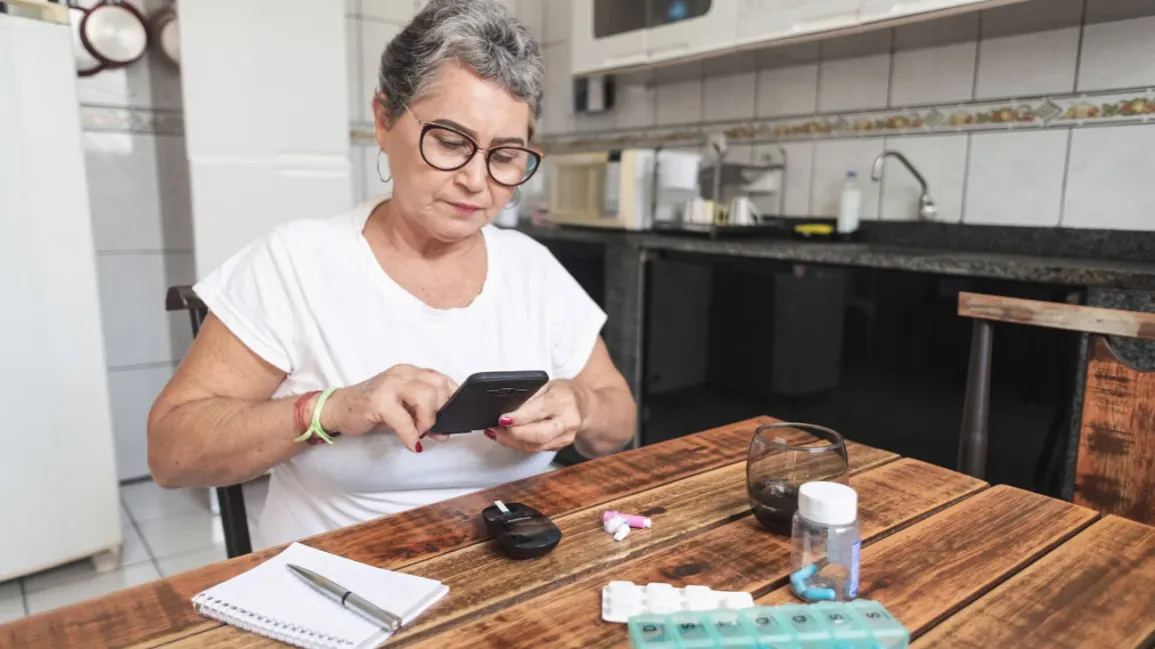
Finger-prick blood (dried blood spot or microtainer), saliva, urine cups, or nasal/fecal swabs are common collection methods.
How At-Home Lab Testing Works
Typical process:
- Ordering: Online purchase from company website or pharmacy.
- Kit Delivery: Mailed with collection devices, instructions, prepaid return packaging.
- Sample Collection: User follows video/text guides (e.g., finger prick for blood, mid-stream urine).
- Shipping: Return via mail/carrier to CLIA-certified lab.
- Analysis: Lab processes sample using standard methods (e.g., ELISA, PCR, mass spectrometry).
- Results Delivery: Secure portal/app, often within 2-7 days; flagged abnormals prompt physician review or telehealth.
Some kits (e.g., blood glucose, pregnancy) provide instant results; most require lab processing.
Advantages
- Convenience: No clinic visits or appointments.
- Privacy: Sensitive tests (STI, fertility) without stigma.
- Proactive Health: Early detection, trend tracking.
- Accessibility: Rural or busy individuals.
- Cost: Often USD 50-300 vs. higher with office visits (though insurance coverage varies).
Limitations and Challenges
- Accuracy: User error in collection can skew results (e.g., insufficient blood volume).
- Scope: Cannot replace comprehensive physical exams or imaging.
- False Positives/Negatives: Screening nature requires confirmatory testing.
- Interpretation: Results without physician context may cause anxiety.
- Regulation: FDA oversees kits as devices; labs must be CLIA-certified, but DTC model has oversight gaps.
Regulatory Landscape
- U.S.: FDA classifies as IVDs; some require 510(k) clearance. Labs CLIA/CAP accredited.
- EU: CE-marked under IVDR.
- Physician Involvement: Some states require doctor order; others allow full DTC.
Post-COVID, emergency authorizations accelerated innovation while highlighting quality concerns.
Popular Providers and Tests
- Everlywell: Broad wellness/STI panels.
- LetsGetChecked: Comprehensive hormone, cancer markers.
- Labcorp/Quest OnDemand: Traditional lab reliability in DTC format.
- Thriva (UK), Medichecks: Subscription monitoring.
Future Trends
- Integration with wearables (e.g., continuous glucose + periodic labs).
- AI-driven result interpretation and risk scoring.
- Expanded biomarker menus (epigenetic aging, advanced lipidomics).
- At-home blood draw services (phlebotomist visits).
- Insurance reimbursement growth.
Conclusion
At-home lab testing empowers individuals with unprecedented access to health insights, shifting healthcare toward prevention and personalization. While not a full substitute for professional care, it complements traditional medicine effectively when used responsibly. As accuracy, range, and integration improve, at-home testing will play an expanding role in proactive health management worldwide. Users should select reputable providers, understand limitations, and consult healthcare professionals for abnormal results.
More articles by ZMR Researche:
https://www.zionmarketresearch.com/de/report/process-gas-compressor-market
https://www.zionmarketresearch.com/de/report/sintered-zns-lenses-market
https://www.zionmarketresearch.com/de/report/flight-demonstrator-market
https://www.zionmarketresearch.com/de/report/novel-smart-textile-market
https://www.zionmarketresearch.com/de/report/agricultural-shade-nets-market