Eye Drops, also known as ophthalmic solutions or ocular medications, are liquid formulations administered directly to the eye for therapeutic, diagnostic, or comfort purposes. They deliver active ingredients to the ocular surface, conjunctiva, or anterior chamber, treating conditions ranging from dry eyes and allergies to infections, glaucoma, and inflammation. Eye drops represent one of the most common routes of ocular drug delivery due to ease of use, patient compliance, and localized action with minimal systemic side effects.
The history of eye drops dates to ancient civilizations—Egyptians used kohl and plant extracts around 2000 BCE, while medieval Arabic physicians refined collyrium preparations. Modern pharmaceutical eye drops emerged in the 19th-20th centuries with sterile solutions and preservatives. Today, the global ophthalmic drops market exceeds USD 15-20 billion annually as of 2025, driven by aging populations, rising dry eye prevalence, glaucoma incidence, and post-surgical care. Major categories include over-the-counter (OTC) artificial tears and prescription medications from companies like Allergan (AbbVie), Alcon, Bausch + Lomb, and Santen.
Types of Eye Drops
Eye Drops are classified by purpose and formulation:
- Artificial Tears and Lubricants Relieve dry eye syndrome (keratoconjunctivitis sicca).
- Preservative-free (single-use vials).
- Preserved (multi-dose bottles).
- Gel or ointment for nighttime.
- Anti-Allergy Drops Block histamine or mast cell stabilizers: Antazoline, olopatadine, ketotifen.
- Anti-Inflammatory Drops
- Steroidal: Prednisolone, dexamethasone (post-surgery, uveitis).
- Non-steroidal (NSAIDs): Ketorolac, nepafenac (pain, inflammation).
- Anti-Infective Drops
- Antibiotics: Erythromycin, fluoroquinolones (moxifloxacin, levofloxacin) for bacterial conjunctivitis/keratitis.
- Antivirals: Ganciclovir, trifluridine for herpes.
- Glaucoma Medications Reduce intraocular pressure:
- Prostaglandins (latanoprost, bimatoprost).
- Beta-blockers (timolol).
- Alpha agonists (brimonidine).
- Carbonic anhydrase inhibitors (dorzolamide).
- Mydriatic/Cycloplegic Drops Dilate pupil or paralyze accommodation: Tropicamide, cyclopentolate (exams), atropine.
- Diagnostic Drops Fluorescein (corneal defects), rose bengal/lissamine green (dry eye staining).
- Specialty
- Anti-VEGF injections repurposed as drops (research).
- Autologous serum drops for severe dry eye.
Formulation and Components
Eye drops require strict sterility, isotonicity (280-300 mOsm), and pH (6.5-7.8) for comfort:
- Active Ingredients: Therapeutic agents.
- Vehicles: Purified water, oils (emulsions).
- Buffers: Maintain pH (borate, phosphate).
- Viscosity Agents: HPMC, carboxymethylcellulose for prolonged contact.
- Preservatives: Benzalkonium chloride (BAK), polyquaternium-1, or preservative-free.
- Tonicity Agents: Sodium chloride.
Multi-dose bottles include dropper tips; single-use minimize contamination.
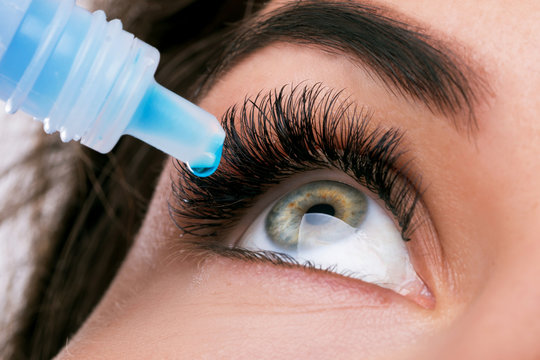
Administration and Usage
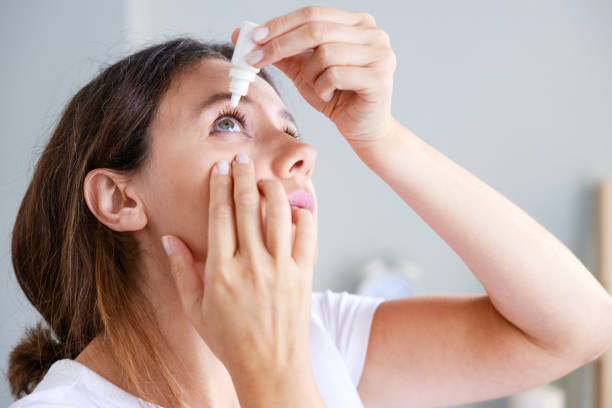
Proper technique:
- Wash hands.
- Tilt head back, pull lower lid.
- Instill 1-2 drops (avoid tip contact).
- Close eye, press nasolacrimal duct (reduce systemic absorption).
- Wait 5 minutes between different drops.
Frequency: 1-4 times daily or as prescribed.
Benefits
- Localized delivery.
- Rapid onset for surface conditions.
- Minimal systemic side effects.
- Convenient self-administration.
Side Effects and Risks
- Stinging/burning (common initially).
- Allergic reactions (redness, itching).
- Blurred vision (oily drops).
- Systemic absorption (beta-blockers: bradycardia).
- Preservative toxicity (BAK: dry eye worsening with chronic use).
Contraindications: Hypersensitivity, certain infections.
Market Trends
- Preservative-free growth (dry eye patients).
- Combination drops (glaucoma: fewer bottles).
- Sustained-release (implants reducing drop frequency).
- OTC expansion (dry eye, allergy).
- Biologics/autologous (serum tears).
Special Considerations
- Contact Lenses: Remove before drops; wait 15 minutes (preserved).
- Children/Elderly: Adjusted dosing, compliance aids.
- Pregnancy: Limited options (artificial tears safest).
Conclusion
Eye drops remain a cornerstone of ophthalmic therapy, offering targeted, convenient treatment for diverse ocular conditions. Advances in preservative-free formulations, combination therapies, and patient-friendly delivery improve adherence and outcomes. Proper use, storage (room temperature unless refrigerated), and professional guidance ensure safety and efficacy in managing everything from everyday dryness to serious diseases like glaucoma. As ocular health awareness grows, eye drops continue evolving to meet modern therapeutic needs.
More articles by ZMR Researche:
https://www.zionmarketresearch.com/de/report/pour-point-depressants-market
https://www.zionmarketresearch.com/de/report/liquid-crystal-polymers-lcps-market
https://www.zionmarketresearch.com/de/report/hyaluronidase-market
https://www.zionmarketresearch.com/de/report/anticoagulant-reversal-drugs-market