Fosfomycin trometamol (also written as tromethamine or fosfomycin tromethamine) is an oral, single-dose antibiotic formulation of fosfomycin, a broad-spectrum bactericidal agent. It is primarily used for the treatment of uncomplicated urinary tract infections (uUTIs) caused by susceptible bacteria, most notably Escherichia coli and Enterococcus faecalis. The trometamol salt improves solubility and bioavailability, allowing a single 3 g oral dose to achieve high urinary concentrations for 24–48 hours.
Fosfomycin was first discovered in 1969 by researchers at Merck and Compañía Española de Penicilina y Antibióticos (CEPA). The trometamol formulation was developed later to enable convenient oral administration. It was approved in Europe in the 1980s and in the United States in 1996 (under the brand name Monurol). As of 2025, it remains one of the few antibiotics recommended as first-line treatment for uncomplicated cystitis in international guidelines, particularly in an era of increasing antimicrobial resistance.
Chemical Structure and Properties
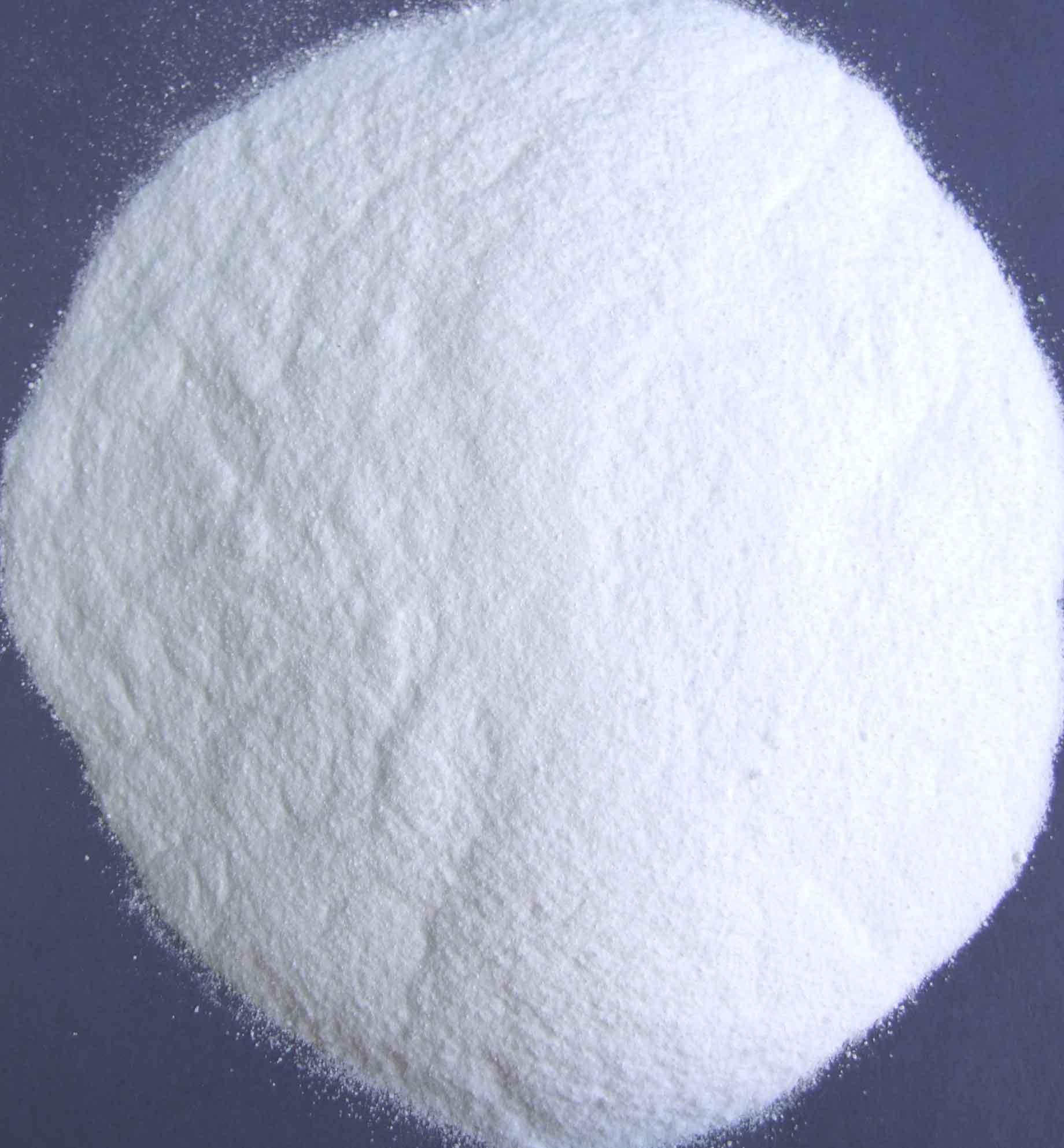
Fosfomycin is a phosphonic acid derivative with the molecular formula C₃H₇O₅P. Its active form is fosfomycin disodium or trometamol salt. Fosfomycin trometamol is a white to off-white crystalline powder, highly soluble in water, with a molecular weight of 259.2 g/mol (fosfomycin base 138.06 g/mol + trometamol 121.14 g/mol).
Key physicochemical properties:
- Broad-spectrum bactericidal activity
- Very low protein binding (<10%)
- Excellent urinary excretion (>90% unchanged in urine)
- Low molecular weight → good tissue penetration
Mechanism of Action
Fosfomycin inhibits the first step of bacterial cell wall synthesis by irreversibly blocking the enzyme UDP-N-acetylglucosamine-3-enolpyruvyltransferase (MurA). This enzyme catalyzes the transfer of phosphoenolpyruvate to UDP-N-acetylglucosamine, forming UDP-N-acetylmuramic acid—a critical precursor of peptidoglycan.
Unique features of its mechanism:
- Acts at an early stage of cell wall synthesis (earlier than beta-lactams).
- Does not require active bacterial growth to be effective.
- Low cross-resistance with other antibiotic classes due to its unique target.
- Rapid bactericidal action against susceptible organisms.
Spectrum of Activity
Fosfomycin is active against a broad range of Gram-negative and Gram-positive bacteria, especially urinary pathogens:
Highly susceptible:
- Escherichia coli (including ESBL-producing strains)
- Enterococcus faecalis (including VRE)
- Citrobacter spp.
- Klebsiella spp. (variable)
- Proteus mirabilis
- Staphylococcus saprophyticus
Moderately susceptible:
- Enterococcus faecium
- Morganella morganii
- Serratia marcescens
Generally resistant:
- Pseudomonas aeruginosa
- Acinetobacter baumannii
- Enterobacter cloacae
- Proteus vulgaris
- Most anaerobes
Particularly valuable against multidrug-resistant E. coli in uncomplicated cystitis.
Clinical Indications
Approved indications (varies by country):
- Uncomplicated urinary tract infections (acute uncomplicated cystitis) in women
- Prophylaxis of recurrent uncomplicated UTIs (in some countries)
- Perioperative prophylaxis in urological procedures (selected countries)
Off-label and investigational uses:
- Complicated UTIs
- Prostatitis
- Osteomyelitis
- Endocarditis (especially with enterococci)
Single-dose 3 g therapy is the standard for uncomplicated cystitis.
Dosage and Administration
Standard regimen:
- Adults (uncomplicated cystitis): 3 g (one sachet) dissolved in water as a single oral dose.
- Children (limited use): 40–80 mg/kg as a single dose (not approved in all countries).
Administration:
- Take on an empty stomach (2 hours before or 2 hours after meals) for optimal absorption.
- Dissolve sachet in 100–150 mL water; stir and drink immediately.
- Avoid taking with food or antacids (reduces absorption).
Repeat dose not recommended in uncomplicated cases.

Pharmacokinetics
- Absorption: Oral bioavailability ~37–50% (single dose); food reduces AUC by ~30%.
- Peak plasma concentration: 22–25 μg/mL (3 g dose) at 2–2.5 hours.
- Urinary concentration: Very high (1,000–4,000 μg/mL for 24–48 hours).
- Half-life: 5–7 hours.
- Elimination: Almost entirely renal (>90% unchanged in urine).
- No significant hepatic metabolism.
High urinary concentrations persist longer than plasma levels, explaining single-dose efficacy.
Efficacy and Clinical Evidence
- Uncomplicated cystitis: Single-dose 3 g fosfomycin trometamol has clinical cure rates of 80–90% and microbiological eradication rates of 75–85% at 7–14 days.
- Comparison: Similar efficacy to 3–7 day courses of nitrofurantoin, trimethoprim-sulfamethoxazole, or fluoroquinolones in uncomplicated cases.
- ESBL-producing E. coli: Effective first-line option in many guidelines.
- Recurrent UTI prophylaxis: Some studies show efficacy with 3 g every 10 days for 6 months.
Safety and Side Effects
Fosfomycin trometamol is generally well-tolerated:
- Common (5–10%): Diarrhea, nausea, headache, vaginal candidiasis.
- Uncommon (<2%): Rash, dyspepsia, abdominal pain.
- Rare: Hypersensitivity reactions, pseudomembranous colitis.
Advantages:
- Single-dose regimen → better adherence.
- Low resistance selection pressure.
- Safe in pregnancy (Category B).
Resistance Patterns
- Low resistance rates in most countries for E. coli (<5–10%).
- Higher in regions with heavy use (Spain, Italy, Turkey).
- Resistance mechanisms: Mutations in transport systems (murA, glpT, uhpT) or fosA genes (plasmid-mediated).
Advantages in the Era of Antimicrobial Resistance
- Retains activity against many multidrug-resistant strains.
- Single-dose treatment reduces selective pressure.
- Alternative to fluoroquinolones (high resistance) and nitrofurantoin (limited in pyelonephritis).
Limitations and Considerations
- Not for complicated UTI or pyelonephritis: Insufficient tissue concentrations.
- Not first-line for men: Prostatitis not well covered.
- Diarrhea: Most common side effect.
- Cost: Higher than generic nitrofurantoin or trimethoprim.
Comparison with Other Agents
| Agent | Regimen | Efficacy (uncomplicated cystitis) | Resistance concerns | Pregnancy safety |
|---|---|---|---|---|
| Fosfomycin trometamol | 3 g single dose | 80–90% | Low | Category B |
| Nitrofurantoin | 100 mg bid × 5–7 days | 85–90% | Increasing | Category B |
| Trimethoprim-sulfamethoxazole | 160/800 mg bid × 3 days | 85–90% | High in many areas | Category D (3rd trimester) |
| Fosfomycin trometamol | 3 g single dose | 80–90% | Low | Category B |
| Pivmecillinam | 400 mg tid × 3–5 days | 85–90% | Low | Category B |
| Fluoroquinolones | 3–7 days | 85–95% | Very high | Avoid |
Fosfomycin is preferred when resistance to other first-line agents is high.
Regulatory Status and Formulations
- Approved in Europe, Canada, USA (Monurol), Japan, and many other countries.
- Standard dose: 3 g sachet (fosfomycin trometamol equivalent to 3 g fosfomycin).
- Pediatric formulations exist in some countries (granules).
- Not approved for complicated UTI, pyelonephritis, or men in most regions.
Conclusion
Fosfomycin trometamol remains a valuable first-line option for uncomplicated cystitis, particularly in areas with high resistance to fluoroquinolones and trimethoprim-sulfamethoxazole. Its single-dose regimen, favorable safety profile, and retained activity against multidrug-resistant E. coli ensure its continued relevance. While not suitable for complicated infections or upper urinary tract disease, it fills an important niche in outpatient management of lower UTI. Ongoing surveillance of resistance patterns and appropriate use are essential to preserve its efficacy in the face of growing antimicrobial resistance.
More articles by ZMR Researche:
https://www.zionmarketresearch.com/de/report/clot-management-devices-market
https://www.zionmarketresearch.com/de/report/acellular-therapy-market
https://www.zionmarketresearch.com/de/report/assembly-automation-systems-market
https://www.zionmarketresearch.com/de/report/sous-vide-machine-market
https://www.zionmarketresearch.com/de/report/aromatic-compounds-market