Pharmaceutical Contract Development and Manufacturing Organizations (CDMOs) are specialized service providers that offer end-to-end solutions for drug development and manufacturing to pharmaceutical and biotechnology companies. CDMOs handle everything from early-stage formulation and process development to clinical trial supplies, commercial-scale production, packaging, and regulatory support. This outsourcing model allows sponsors to focus on core activities like drug discovery and marketing while leveraging the CDMO’s expertise, infrastructure, and scalability.
The CDMO sector has grown rapidly due to increasing drug complexity (e.g., biologics, cell/gene therapies), cost pressures, patent cliffs, and the rise of virtual biotech firms. As of 2025, the global pharmaceutical CDMO market is valued between USD 200-260 billion, with projections to reach USD 300-500 billion by 2030-2034 at CAGRs of 7-9%. Growth is driven by demand for advanced therapies, capacity expansions, and strategic partnerships.
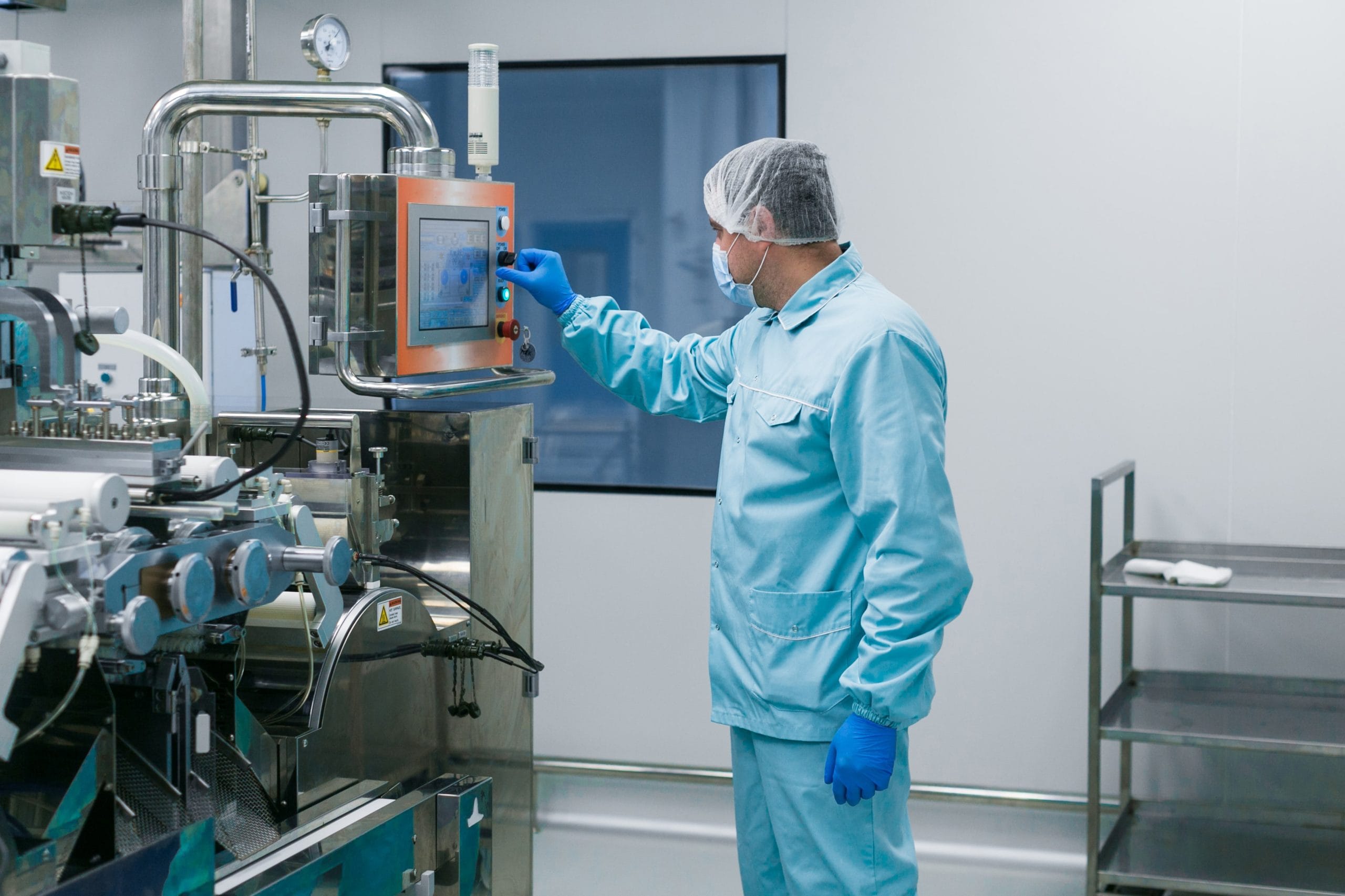
Diagram illustrating the CDMO process from development to commercial manufacturing:
Services and Types
CDMOs provide integrated services across the drug lifecycle:
- Development Services: Pre-formulation, formulation design, analytical method development, process optimization, scale-up.
- Manufacturing Services: API synthesis (small molecules, biologics, HPAPIs), drug product (solid oral, injectables, sterile fill-finish), packaging.
- Specialized Services: Clinical trial materials, regulatory support, quality assurance, supply chain management.
Types include:
- Full-Service/End-to-End CDMOs: Comprehensive from preclinical to commercial.
- Specialized CDMOs: Focus on biologics, cell/gene therapy, or high-potency APIs.
Comparison of CDMO vs. CMO vs. CRO services:
Typical CDMO workflow diagram:
Market Trends and Key Players
The market is consolidating with M&A activity (e.g., Novo Holdings’ acquisition of Catalent). Trends include capacity expansions for biologics, AI/digital integration, and sustainability focus.
Top CDMOs in 2025 include:
- Thermo Fisher Scientific (Patheon)
- Catalent
- Lonza
- WuXi AppTec
- Samsung Biologics
- Boehringer Ingelheim
- FUJIFILM Diosynth Biotechnologies
- Recipharm (part of Novo)
- Siegfried
- Cambrex
Logos and facilities of leading CDMOs:
Advantages
- Cost Savings: Reduced capex, predictable opex.
- Speed to Market: Accelerated timelines via expertise.
- Flexibility/Scalability: Rapid adjustments without internal constraints.
- Risk Mitigation: Shared technological/obsolescence risks.
- Access to Expertise: Specialized tech (e.g., continuous manufacturing, aseptic processing).
Risks and Challenges
- Dependency on partner performance.
- Supply chain disruptions.
- Intellectual property/data security concerns.
- Regulatory compliance transfers (sponsor remains responsible).
- Potential for communication gaps or integration issues.
Regulations
CDMOs must adhere to GMP (FDA, EMA), with sponsors overseeing quality. Key frameworks: ICH guidelines, FDA 21 CFR, EU Annex 1 for sterile products. Audits and SLAs ensure compliance.
Conclusion
Pharmaceutical CDMOs are indispensable partners in modern drug development, enabling innovation amid rising complexity and costs. As biologics and personalized medicines grow, CDMOs will continue evolving toward integrated, tech-enabled solutions for efficient, compliant production.
More articles by ZMR Researche:
https://www.zionmarketresearch.com/de/report/interconnect-data-center-solution-market
https://www.zionmarketresearch.com/de/report/resolvers-market
https://www.zionmarketresearch.com/de/report/escape-room-market
https://www.zionmarketresearch.com/de/report/rx-medical-food-market
https://www.zionmarketresearch.com/de/report/immunochemistry-analyzers-market