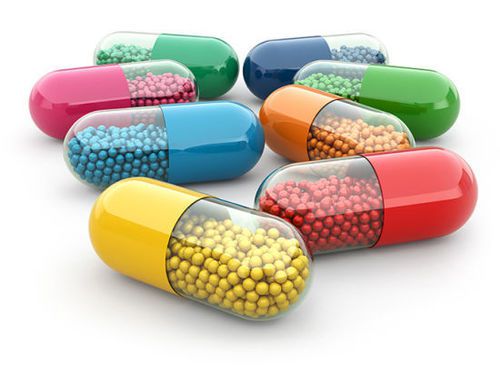
Pharmaceutical pellets are small, free-flowing, spherical or semi-spherical multiparticulate dosage forms, typically ranging from 0.5 to 1.5 mm in diameter, manufactured by agglomerating fine powders or granules of active pharmaceutical ingredients (APIs) and excipients. They serve as versatile carriers in oral drug delivery systems, enabling controlled, sustained, or immediate release profiles. Pellets are often filled into capsules, compressed into tablets (e.g., Multiple-Unit Pellet Systems or MUPS), or used in suspensions/sachets.
This technology has gained prominence due to its ability to improve bioavailability, reduce dose dumping risks, mask bitter tastes, and allow combination of incompatible drugs in a single dose. The global pharmaceutical pellets market was valued at approximately USD 1.8-2.0 billion in 2024, projected to reach USD 2.0-2.03 billion in 2025, with further growth to USD 3-4 billion by 2029-2031 at a CAGR of 10-11%.
Properties
Pellets are engineered for uniformity:
- Size — 500-1500 μm for optimal flow and swallowing.
- Shape — Spherical for even coating and release.
- Density — Controlled for consistent filling.
- Flowability — Excellent due to sphericity.
- Drug Loading — Up to 80% with advanced techniques.
They distribute evenly in the GI tract, reducing local irritation and variability in absorption.
Production Methods
Common techniques include:
- Extrusion-Spheronization → Most popular; wet mass extruded into rods, then spheronized into spheres.
- Drug Layering → Solution/suspension/powder layered onto inert cores (e.g., sugar or MCC seeds) in fluidized bed.
- Spray Drying/Congeling → Droplets solidified into pellets.
- Hot-Melt Extrusion → For high drug loads.
- Cryopelletization → Freeze-drying for heat-sensitive drugs.
Applications and Uses
Pellets are used in multiparticulate systems for:
- Controlled/Sustained Release → Coated with polymers (e.g., ethylcellulose).
- Taste Masking → For bitter drugs.
- Combination Therapy → Different coated pellets in one capsule.
- Site-Specific Delivery → Enteric coatings for intestinal release.
Advantages and Disadvantages
Advantages:
- Uniform GI distribution, reduced dose dumping.
- Improved bioavailability and patient compliance.
- Flexibility in release profiles and combinations.
- Better flow and aesthetic appearance.
Disadvantages:
- Complex, costly manufacturing.
- Potential variability if not uniform.
- Challenges in high drug loading or scale-up.
Market and Trends
Growth driven by demand for modified-release and pediatric formulations. Key players: Companies specializing in excipients and CDMO services for pelletization.
Conclusion
Pharmaceutical pellets represent a sophisticated multiparticulate platform enhancing drug delivery precision and patient outcomes. Ongoing innovations in layering and coating continue to expand their therapeutic potential.
More articles by ZMR Researche:
https://www.zionmarketresearch.com/de/report/track-dumper-market
https://www.zionmarketresearch.com/de/report/vr-fitness-game-market
https://www.zionmarketresearch.com/de/report/vegetable-hpmc-capsule-market
https://www.zionmarketresearch.com/de/report/cell-line-development-market
https://www.zionmarketresearch.com/de/report/digital-gaussmeters-market