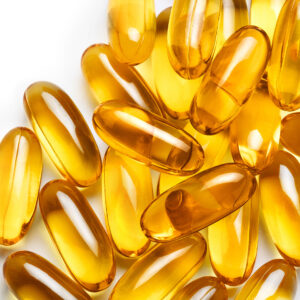
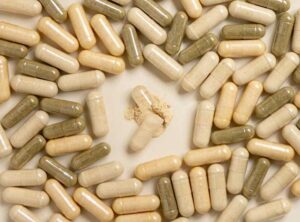
Stress Relief Supplements are dietary products formulated with vitamins, minerals, herbs, amino acids, or other natural compounds intended to support the body’s response to stress, promote relaxation, improve mood, and enhance overall resilience. These supplements target the physiological effects of chronic stress, such as elevated cortisol levels, disrupted sleep, anxiety, and fatigue, without the sedative side effects of prescription medications.
The market for stress relief supplements has grown significantly, valued at approximately USD 5-8 billion globally as of 2025, driven by increasing awareness of mental health, work-related burnout, and lifestyle pressures. Popular categories include adaptogens (for stress adaptation), anxiolytics (for anxiety reduction), and sleep aids. While many users report benefits, evidence varies by ingredient—some backed by robust clinical trials, others by preliminary or anecdotal data. Supplements are not FDA-approved to treat medical conditions, and consulting healthcare providers is recommended, especially for those on medications or with underlying health issues.
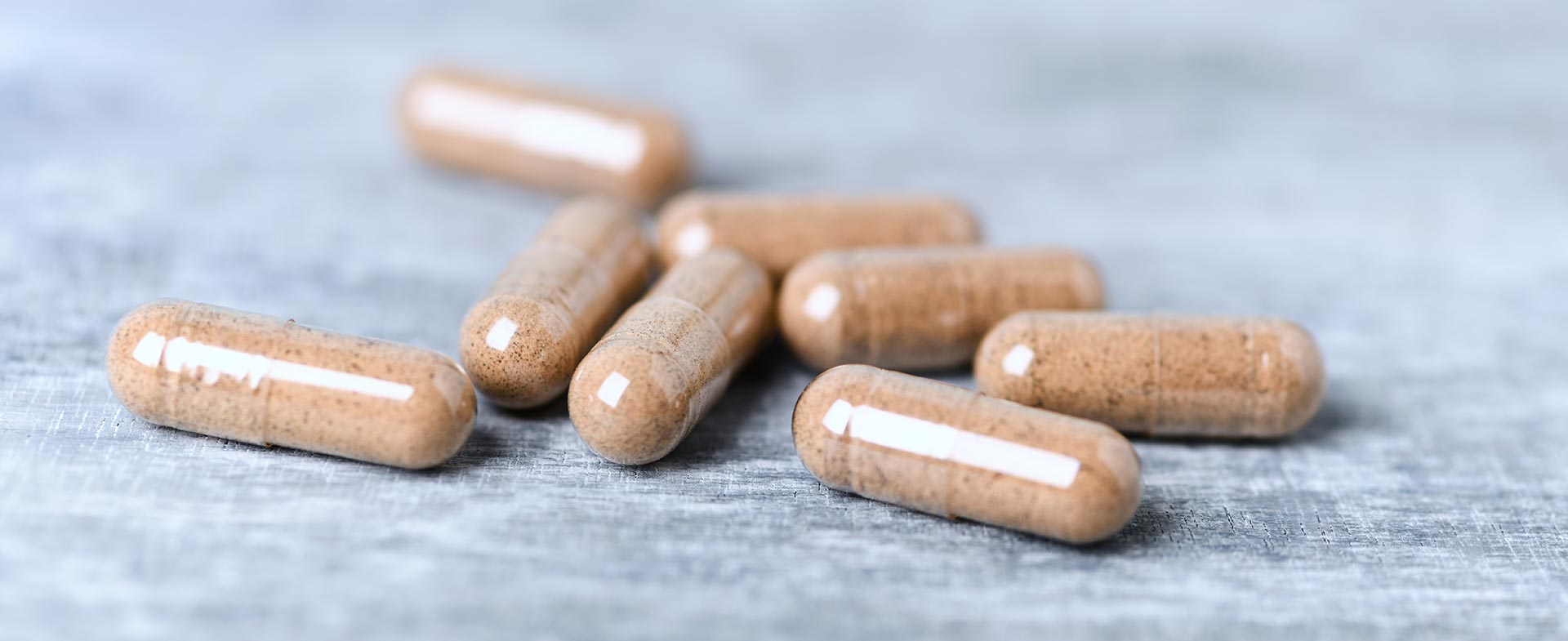
Common Ingredients in Stress Relief Supplements
Supplements typically feature single-ingredient or multi-blend formulas:
- Ashwagandha (Withania somnifera) An adaptogenic herb from Ayurvedic medicine. Key compounds: withanolides. Reduces cortisol, improves sleep, and enhances stress resilience. Multiple RCTs show 300-600 mg daily lowers perceived stress scores by 20-30%.
- Rhodiola Rosea Adaptogen with rosavins and salidroside. Boosts mental performance under stress, reduces fatigue. Effective doses: 200-600 mg standardized extract.
- L-Theanine Amino acid from green tea. Promotes alpha brain waves for calm focus without drowsiness. Often paired with caffeine; 200 mg effective for acute stress reduction.
- Magnesium Mineral involved in 300+ enzymatic reactions, including GABA regulation. Forms: glycinate (calming), citrate. Deficiency common; 200-400 mg supplementation improves sleep and anxiety.
- Valerian Root Traditional sedative herb; increases GABA. Used for sleep and mild anxiety; 300-600 mg before bed.
- Lemon Balm (Melissa officinalis) Enhances GABA activity; calming effects at 300-600 mg.
- Holy Basil (Tulsi) Adaptogen; modulates cortisol and supports mood.
- B Vitamins B6, B9 (folate), B12 crucial for neurotransmitter synthesis; deficiencies linked to mood issues.
- GABA (Gamma-Aminobutyric Acid) Inhibitory neurotransmitter; direct supplementation bioavailability debated, but 100-200 mg may reduce acute anxiety.
- Lavender/Saffron/Chamomile Herbal extracts with anxiolytic properties in clinical studies.
- Phosphatidylserine Reduces cortisol response to stress; 300 mg daily.
- Omega-3 Fatty Acids (EPA/DHA) Anti-inflammatory; support brain health and mood.
Multi-ingredient blends (e.g., containing several adaptogens) are popular for synergistic effects.
Mechanisms of Action
Stress activates the HPA axis, releasing cortisol. Supplements act via:
- Adaptogens: Normalize HPA function, balancing cortisol.
- Neurotransmitter Modulation: Enhance GABA (calming) or serotonin/dopamine (mood).
- Anti-Inflammatory: Reduce cytokine impact on brain.
- Antioxidant: Protect neurons from oxidative stress.
Effects are generally subtle and cumulative (weeks for full benefit) rather than immediate.
Evidence and Efficacy
- Strong Evidence: Ashwagandha, rhodiola, L-theanine, magnesium—multiple RCTs show reductions in stress/anxiety scores.
- Moderate: Lemon balm, valerian, phosphatidylserine.
- Preliminary/Emerging: Holy basil, saffron.
- Mixed: Direct GABA, some herbal blends.
Placebo effect significant in self-reported outcomes; objective markers (cortisol, heart rate variability) show promise for top ingredients.
Benefits and Reported Uses
Users commonly report:
- Reduced anxiety and overwhelm.
- Better sleep quality.
- Improved focus under pressure.
- Enhanced mood and energy without jitters.
- Support during high-stress periods (work, exams, life changes).
Popular in wellness routines, often stacked with lifestyle changes (exercise, meditation).
Safety and Side Effects
Most ingredients well-tolerated at recommended doses:
- Mild: Digestive upset, drowsiness (valerian).
- Rare: Headache, vivid dreams (ashwagandha).
- Contraindications: Avoid adaptogens with autoimmune conditions or hormone-sensitive issues; magnesium excess causes diarrhea.
Drug interactions: Sedative herbs potentiate benzodiazepines; ashwagandha may enhance thyroid medications. Pregnant/breastfeeding individuals should avoid most.
Quality concerns: Choose third-party tested (USP, NSF) to avoid contaminants.
Dosage and Formulation Tips
- Start low: Half recommended dose for 1-2 weeks.
- Timing: Morning for energizing adaptogens; evening for sleep aids.
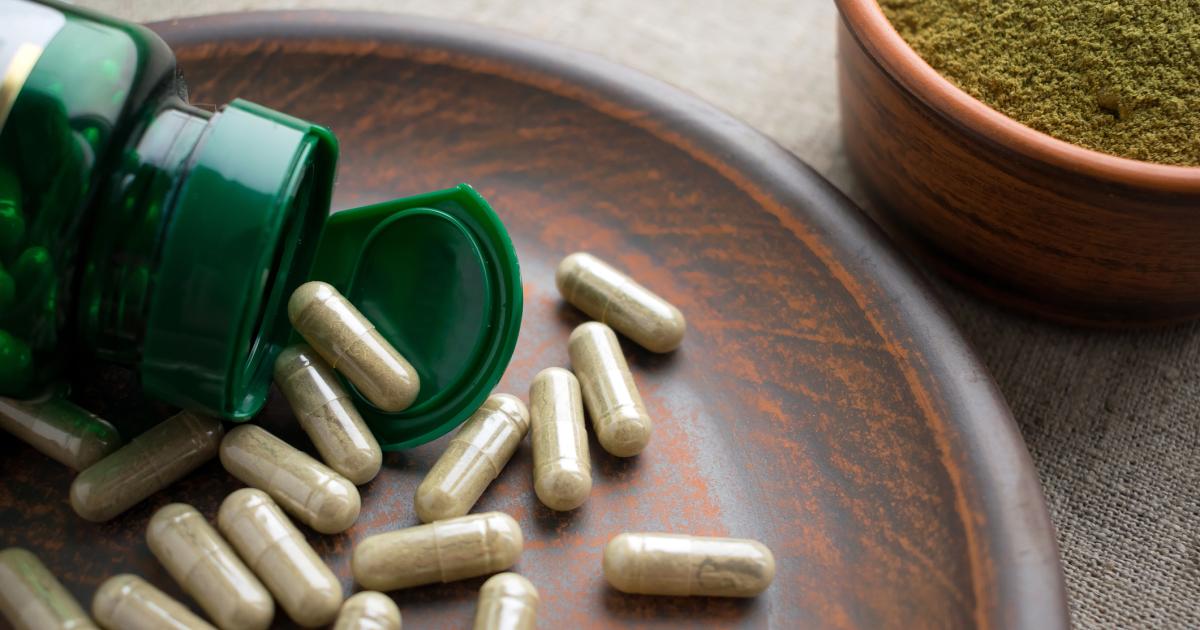
- Forms: Capsules, powders, gummies, teas.
- Cycling: Some recommend 8-12 weeks on, 2-4 off for adaptogens.
Market and Popular Products
Leading brands: Gaia Herbs, NOW Foods, Thorne, Nature’s Way, Olly (gummies). Premium lines emphasize standardized extracts and clinical backing.
Trends: Nootropic-stress blends, vegan capsules, sustainable sourcing.
Conclusion
Stress relief supplements offer a natural, accessible approach to managing modern life’s demands, with several ingredients demonstrating meaningful benefits in reducing cortisol, anxiety, and fatigue. While not substitutes for professional mental health care or lifestyle interventions, evidence-supported options like ashwagandha, rhodiola, L-theanine, and magnesium can meaningfully support resilience when used appropriately. Individual responses vary; consulting healthcare providers ensures safe, personalized integration into wellness routines. As research advances, these supplements will likely play an expanding role in preventive mental health strategies.
More articles by ZMR Researche:
https://www.zionmarketresearch.com/de/report/filtered-storage-cabinets-market
https://www.zionmarketresearch.com/de/report/packaging-market
https://www.zionmarketresearch.com/de/report/respiratory-syncytial-virus-vaccine-market
https://www.zionmarketresearch.com/de/report/data-center-support-infrastructure-market
https://www.zionmarketresearch.com/de/report/retail-earplugs-market